
 Smart Outdoor Lighting
 Intrusion Detection System
 Power Quality Analyzer
 Smart ACMS Solution
 Platform as a Service (PaaS)
 IoT Consultancy
 EazyLIT
 EazyGlow
 EazyProtek
 EazyTalk
 Power Mitra
 Case Studies
 Blogs
Blogs Downloads
IoT in 2026: What Will Change and How Enterprises Must Prepare

Introduction: The End of IoT Experiments
The Internet of Things is no longer a future concept. Over the past decade, enterprises have experimented with connected devices, pilots, and proof-of-concepts across industries. However, as we approach 2026, the conversation around IoT is changing. The key question is no longer “Can we connect our assets?” It is now “Can this IoT system scale, evolve, and survive long term?” IoT is entering a maturity phase where quick experiments and isolated deployments will no longer be enough. Enterprises will need platforms and strategies designed for scale, resilience, and enterprise-wide adoption.
1. IoT Will Shift from Projects to Infrastructure
By 2026, IoT will no longer be treated as a temporary project or innovation initiative. Instead, it will be considered core digital infrastructure — similar to ERP, CRM, or cloud platforms.
Organizations will expect their IoT systems to:
- Run continuously without disruption
- Support multiple departments and use cases
- Integrate cleanly with existing enterprise systems
- Evolve without major redesigns. This shift will force enterprises to rethink how they design and deploy IoT solutions from day one.
2. Scaling Will Matter More Than Speed
In the early years of IoT adoption, speed was everything. Teams rushed to deploy pilots to demonstrate value quickly. But by 2026, speed alone will not be enough. • Platforms that can scale across locations and regions • Architectures that support future use cases • Solutions that do not require repeated customization. IoT systems that work well at one site but fail when expanded to ten or fifty sites will be phased out.
Enterprises will prioritize:
- Platforms that can scale across locations and regions
- Architectures that support future use cases
- Solutions that do not require repeated customization. IoT systems that work well at one site but fail when expanded to ten or fifty sites will be phased out.
3. Fragmented Tools Will Become a Major Risk
Many organizations today operate IoT environments made up of multiple disconnected tools — different platforms for devices, data, analytics, and operations. By 2026, this fragmentation will become a serious operational and financial risk.
Enterprises will seek unified platforms that reduce:
- Tool sprawl
- Integration complexity
- Dependency on multiple vendors. A consolidated approach will be essential for long-term stability.
4. Ownership Will Expand Beyond IT Teams
IoT will no longer be owned exclusively by IT or engineering teams. As systems mature, operations leaders, plant managers, and business heads will rely on IoT as part of their daily workflows.
This shift will demand:
- Clear governance models
- Role-based access and controls
- Systems designed for both technical and non-technical users. IoT success will depend on cross-functional alignment, not isolated expertise.
5. Long-Term Maintainability Will Define Success
One of the biggest challenges enterprises face today is maintaining IoT systems over time. As devices grow, use cases expand, and teams change, poorly designed systems become difficult to manage.
By 2026, enterprises will strongly favor IoT platforms that:
- Are easy to upgrade and extend
- Reduce operational overhead
- Remain stable even as requirements evolve. Maintainability will become as important as initial deployment.
How EazyIoT Is Building for the IoT of 2026
At EazyIoT, we believe the future of IoT belongs to platforms designed for real-world enterprise complexity — not just demonstrations or limited deployments.
Our approach focuses on creating a unified IoT platform that supports:
- Multi-use-case deployments
- Scalable architectures
- Simplified management across the IoT lifecycle. We help enterprises move away from fragmented implementations and toward a standardized foundation that can grow with their business. EazyIoT is built to reduce long-term dependency on custom development while enabling teams to adapt as needs change. This ensures IoT systems remain reliable, flexible, and ready for the future.
Conclusion: IoT in 2026 Will Reward Prepared Enterprises
The next phase of IoT will be unforgiving to poorly planned systems. Enterprises that treat IoT as a one-time project will struggle, while those that invest in scalable, enterprise-ready platforms will gain long-term advantage. IoT in 2026 will not be about experimentation. It will be about execution, resilience, and sustained value. And the organizations that prepare today will be the ones that lead tomorrow.
Explore our Latest Blogs
Dive into expert guides, trends and success stories shaping the future of IoT.
IoT in 2026: What Will Change and How Enterprises Must Prepare
IoT is entering a maturity phase where enterprises must adopt scalable, resilient platforms to ensure long-term success, moving beyond pilots and experiments.
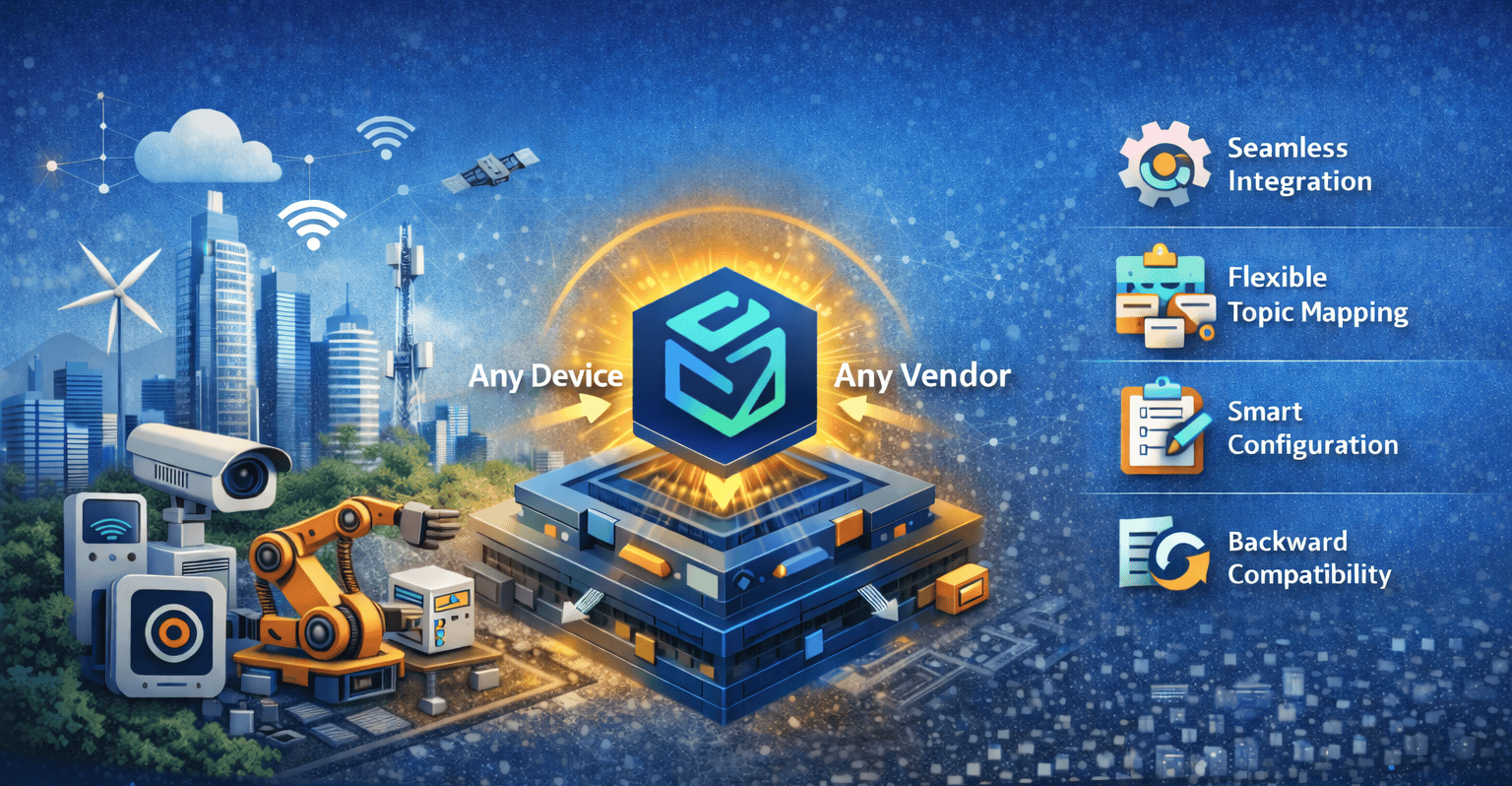
How EazyIoT Is Truly Hardware-Agnostic : Simplifying IoT Device Onboarding
Introduction — Why Hardware Diversity Breaks Most IoT Platforms