
 Smart Outdoor Lighting
 Intrusion Detection System
 Power Quality Analyzer
 Smart ACMS Solution
 Platform as a Service (PaaS)
 IoT Consultancy
 EazyLIT
 EazyGlow
 EazyProtek
 EazyTalk
 Power Mitra
 Case Studies
 Blogs
Blogs Downloads
Enterprise IoT Automation: Turning Real-Time Data into Real Business Impact

Introduction
As enterprises deploy IoT at scale, connectivity alone is no longer enough. Sensors, devices, and dashboards provide visibility, but visibility without action delivers limited value. True transformation happens when IoT systems respond automatically to real-time conditions. Automation is the layer that turns connected infrastructure into intelligent operations, enabling enterprises to move faster, reduce manual effort, and improve reliability across complex environments.
The Limits of Manual IoT Operations
In early IoT deployments, manual monitoring may seem manageable. However, as the number of devices, assets, and locations increases, human oversight quickly becomes a bottleneck. Teams cannot continuously monitor thousands of data points or respond instantly to every anomaly. Manual processes introduce delays, inconsistencies, and errors that reduce the effectiveness of IoT systems. Without automation, scaling IoT becomes operationally unsustainable.
What Meaningful IoT Automation Looks Like
Enterprise IoT automation goes beyond simple alerts. It involves defining rules, thresholds, and workflows that trigger actions automatically when conditions change. This could include adjusting systems to optimize energy usage, initiating maintenance workflows before failures occur, or escalating critical events to the right stakeholders instantly. Automation ensures that insights lead directly to action, reducing dependency on manual intervention.
Turning Data into Decisions at Speed
Automation allows enterprises to act on data in real time rather than after the fact. When systems detect anomalies, performance deviations, or predictive indicators, automated responses ensure faster resolution and improved outcomes. This capability transforms IoT from a passive monitoring tool into an active operational system that continuously optimizes performance.
Challenges of Building Automation Internally
While many enterprises attempt to build automation capabilities from scratch, the process is often complex and resource-intensive. Developing rule engines, maintaining workflows, and ensuring scalability requires significant engineering effort. Over time, these systems become difficult to maintain and adapt as business needs evolve. The cost and complexity can outweigh the benefits, slowing innovation instead of accelerating it.
How EazyIoT Enables Enterprise-Grade Automation
EazyIoT simplifies IoT automation by embedding rule-based logic, alerts, and workflow orchestration directly into its enterprise platform. Instead of building automation from scratch, enterprises can configure intelligent responses to real-time data using a centralized system. This reduces operational overhead, accelerates response times, and ensures automation scales seamlessly as deployments grow. By combining real-time analytics with automated actions, EazyIoT transforms IoT data into consistent, reliable operational outcomes.
Conclusion
Automation is not an optional feature—it is the foundation of scalable enterprise IoT. Platforms like EazyIoT enable enterprises to move beyond monitoring and build intelligent systems that act, adapt, and optimize continuously.
Explore our Latest Blogs
Dive into expert guides, trends and success stories shaping the future of IoT.

IoT in 2026: What Will Change and How Enterprises Must Prepare
IoT is entering a maturity phase where enterprises must adopt scalable, resilient platforms to ensure long-term success, moving beyond pilots and experiments.
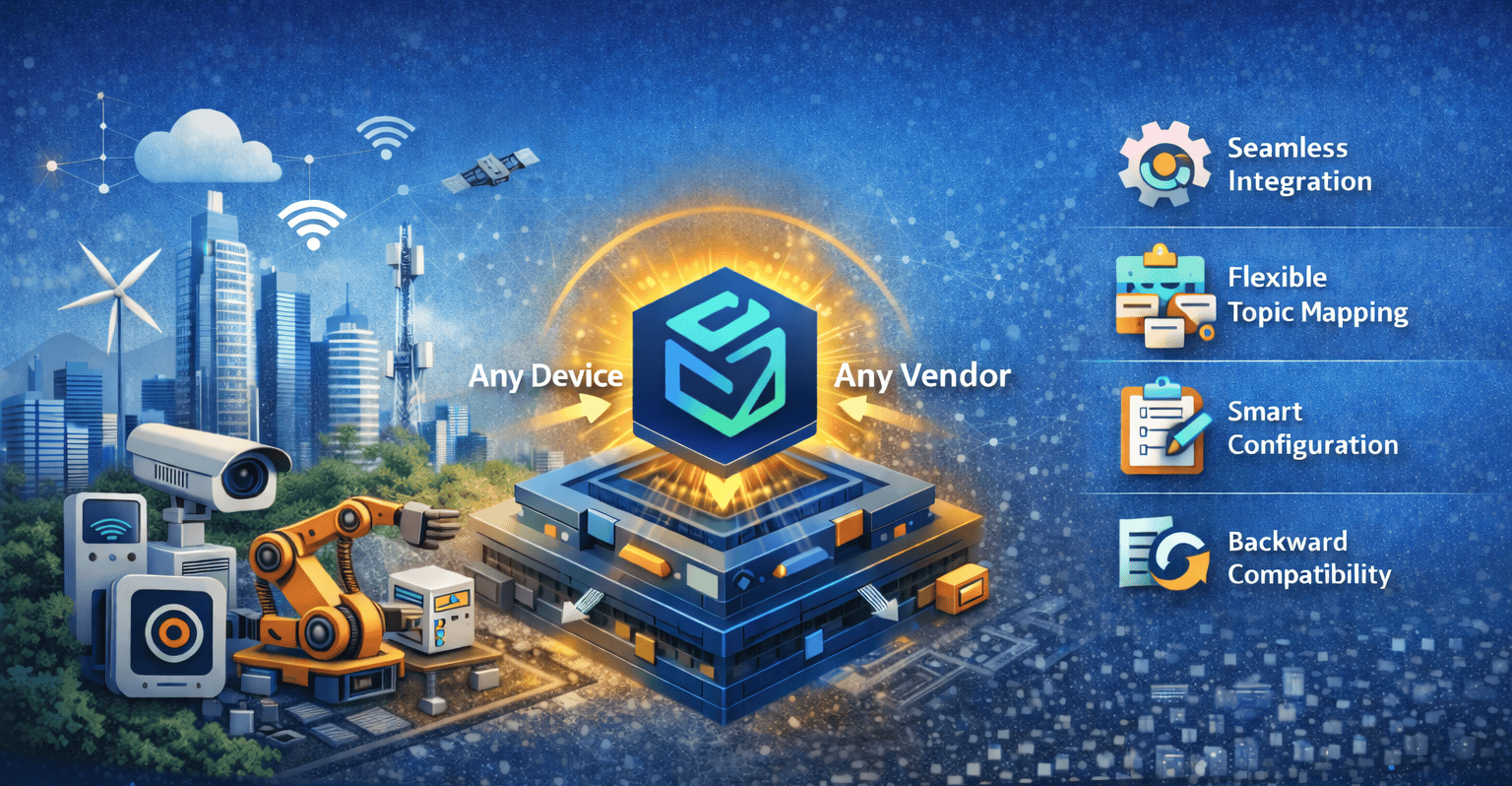
How EazyIoT Is Truly Hardware-Agnostic : Simplifying IoT Device Onboarding
Introduction — Why Hardware Diversity Breaks Most IoT Platforms