
 Smart Outdoor Lighting
 Intrusion Detection System
 Power Quality Analyzer
 Smart ACMS Solution
 Platform as a Service (PaaS)
 IoT Consultancy
 EazyLIT
 EazyGlow
 EazyProtek
 EazyTalk
 Power Mitra
 Case Studies
 Blogs
Blogs Downloads
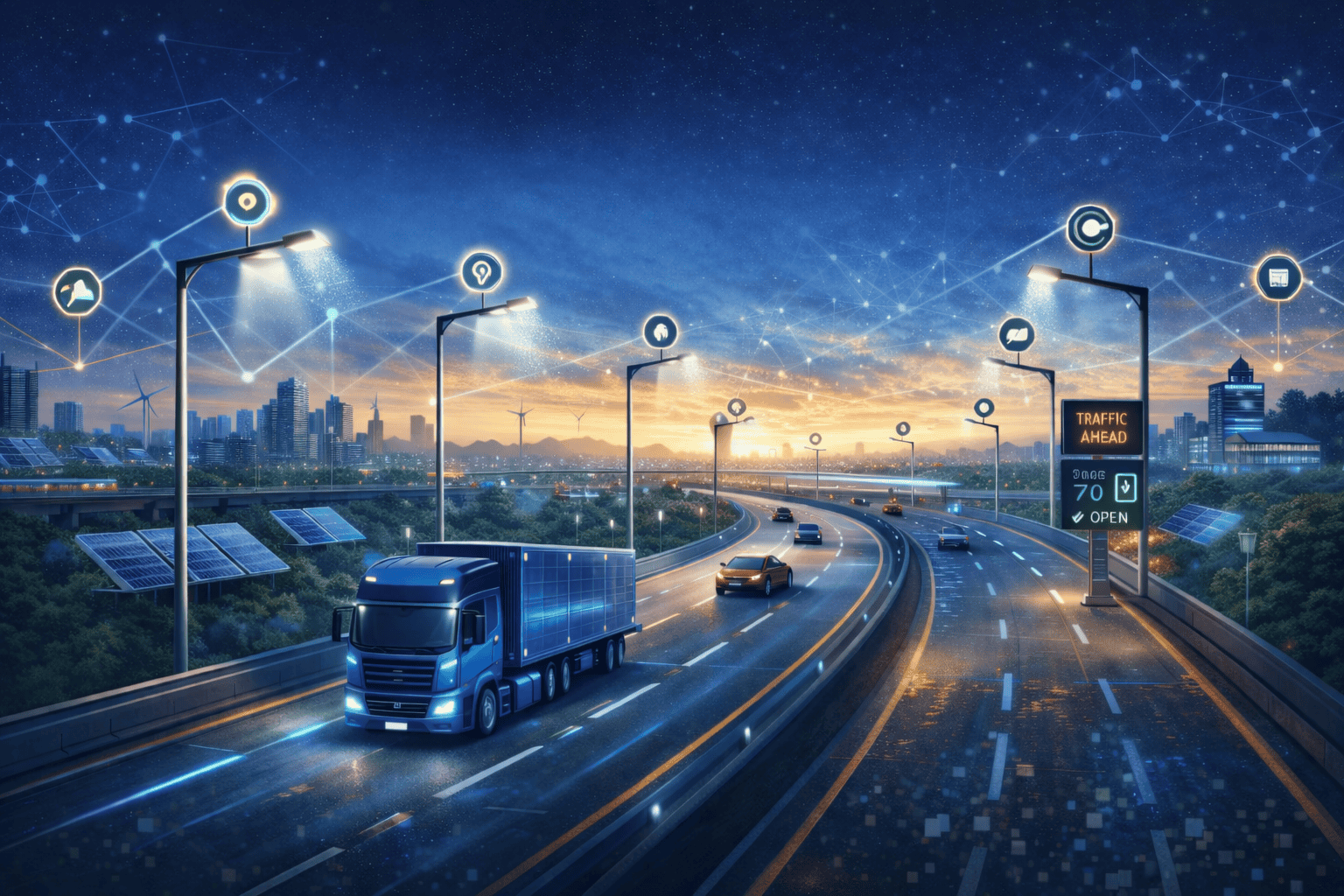
Lighting the Future of Highways with Intelligent, Connected Systems
Introduction
Highway infrastructure plays a critical role in economic growth, logistics efficiency, and public safety. Among all infrastructure elements, lighting has one of the most significant operational and financial impacts due to its continuous usage and large-scale deployment.
Traditional highway lighting systems operate on fixed schedules and manual controls, often leading to excessive energy consumption, delayed fault detection, and limited adaptability to real-world conditions. Smart lighting powered by IoT is redefining how highways are illuminated by introducing intelligence, automation, and measurable performance outcomes.
Why Traditional Highway Lighting Falls Short
Conventional highway lighting systems typically rely on static timers or manual switching, offering little flexibility or responsiveness to changing conditions. These systems remain fully operational regardless of traffic density, weather, or daylight availability, resulting in unnecessary energy consumption.
Maintenance teams often depend on periodic inspections or public complaints to identify failures, leading to prolonged outages and compromised safety. The lack of real-time visibility and centralized control makes it difficult for highway authorities to optimize operations or demonstrate efficiency improvements.
Smart Lighting: A Data-Driven Approach to Highway Illumination
Smart highway lighting systems integrate connected luminaires, sensors, and control platforms to enable real-time monitoring and adaptive behavior. Lighting levels can be dynamically adjusted based on traffic flow, time of day, and environmental conditions. By continuously collecting and analyzing data, these systems ensure that illumination is provided precisely when and where it is needed, improving efficiency without compromising safety.
Platforms like EazyIoT enable this transformation by connecting lighting assets into a centralized system that provides full operational visibility. Highway operators gain real-time insights into energy usage, system health, and performance trends across vast road networks, allowing data-driven decision-making at scale.
Enhancing Road Safety Through Intelligent Lighting
Safety is a primary objective of highway lighting, and smart systems significantly enhance visibility and response capabilities. Adaptive lighting improves contrast and reduces glare, helping drivers better identify road conditions, signage, and potential hazards. In critical situations such as accidents, adverse weather, or roadworks, lighting can be automatically intensified to improve situational awareness and reduce risk.
With EazyIoT’s real-time monitoring and automation capabilities, highway authorities can trigger predefined lighting scenarios during emergencies or high-risk conditions. This ensures rapid response without relying on manual intervention, improving safety outcomes while maintaining operational efficiency.
Energy Efficiency and Cost Optimization
One of the most compelling advantages of smart lighting is energy optimization. By dimming lights during low-traffic periods and optimizing brightness based on actual demand, smart systems significantly reduce electricity consumption. Over time, these savings translate into lower operational costs and reduced strain on power infrastructure.
EazyIoT strengthens this benefit by providing detailed energy analytics and performance dashboards that allow authorities to track consumption patterns, identify inefficiencies, and validate savings. This data-driven transparency supports better budgeting, justifies investments, and enables continuous optimization across the lighting network.
Predictive Maintenance and Operational Reliability
Traditional maintenance models are reactive, often addressing failures only after they become visible. Smart lighting systems continuously monitor the health of each luminaire, detecting anomalies such as voltage fluctuations, lamp degradation, or communication failures. Predictive maintenance enables teams to address issues before outages occur, minimizing downtime and extending asset life.
Through EazyIoT’s centralized device management, maintenance teams can receive automated alerts, prioritize interventions, and plan maintenance activities more efficiently. This reduces field visits, lowers maintenance costs, and ensures consistent lighting performance across highways.
Supporting Sustainability and Environmental Goals
Sustainability is increasingly central to infrastructure planning. Smart lighting contributes directly to environmental objectives by reducing energy consumption and lowering carbon emissions. When combined with renewable energy sources such as solar-powered luminaires, smart systems further enhance sustainability outcomes.
EazyIoT supports sustainability initiatives by providing measurable environmental metrics, including energy savings and emission reductions. These insights help authorities align highway projects with national sustainability goals and demonstrate compliance with environmental standards.
Scalability and Future-Ready Infrastructure
Highway networks are continuously expanding, and lighting systems must scale accordingly. Smart lighting solutions are designed to grow seamlessly, allowing new luminaires, sensors, and control zones to be added without disrupting existing operations. Additionally, smart lighting infrastructure can serve as a foundation for future applications such as traffic monitoring, environmental sensing, and smart signage.
EazyIoT’s scalable platform architecture ensures that smart lighting systems remain adaptable and future-ready. By supporting integration with additional IoT use cases, EazyIoT enables highway authorities to maximize the long-term value of their digital infrastructure investments.
Conclusion
Smart lighting is no longer just an upgrade to highway illumination—it is a strategic investment in efficiency, safety, and sustainability. By leveraging real-time data, automation, and centralized control, highway authorities can reduce costs, enhance safety, and meet environmental goals simultaneously. With platforms like EazyIoT, smart lighting becomes a scalable, measurable, and future-ready solution that transforms highways into intelligent infrastructure assets.
Explore our Latest Blogs
Dive into expert guides, trends and success stories shaping the future of IoT.

IoT in 2026: What Will Change and How Enterprises Must Prepare
IoT is entering a maturity phase where enterprises must adopt scalable, resilient platforms to ensure long-term success, moving beyond pilots and experiments.
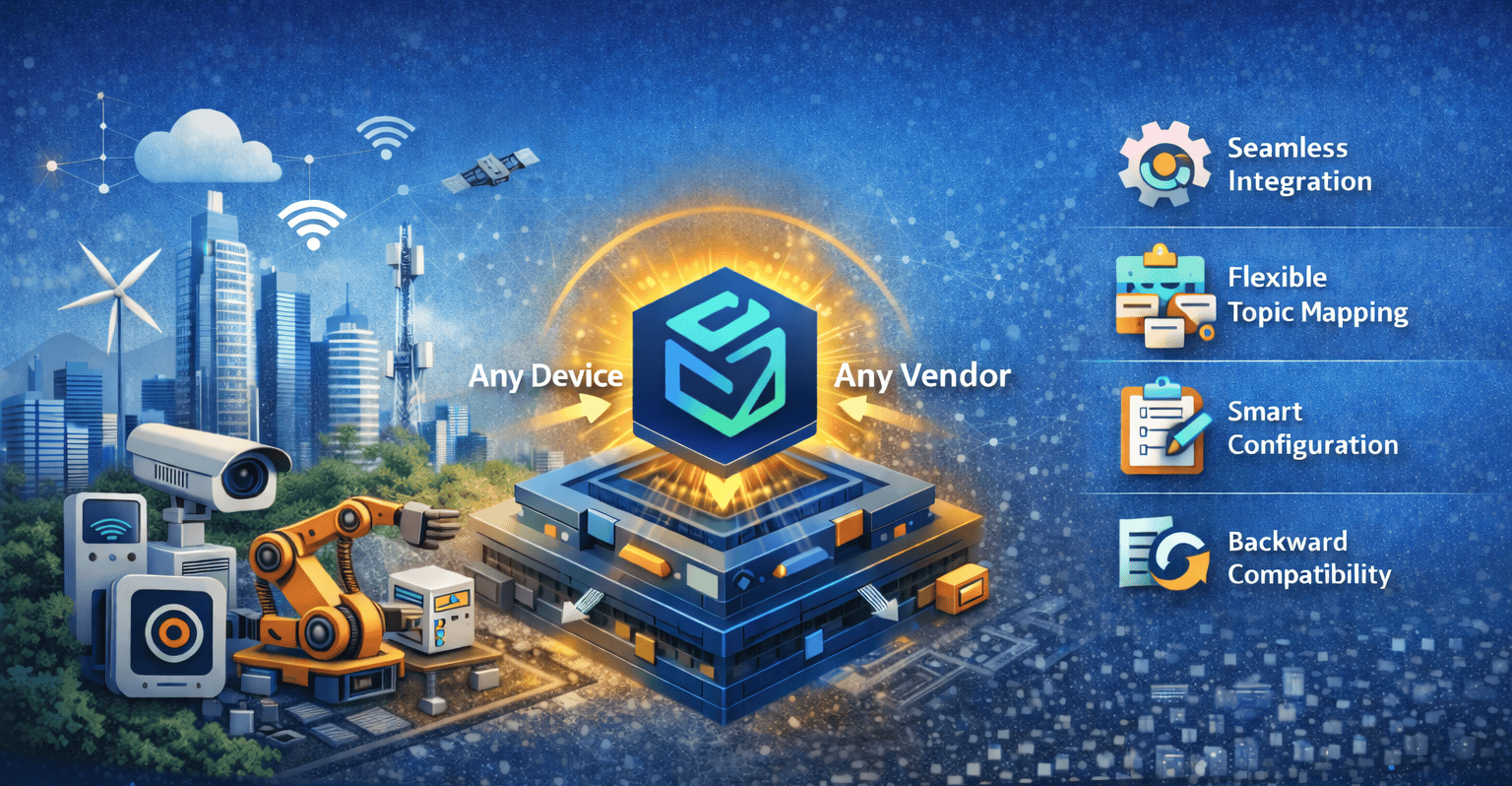
How EazyIoT Is Truly Hardware-Agnostic : Simplifying IoT Device Onboarding
Introduction — Why Hardware Diversity Breaks Most IoT Platforms