
 Smart Outdoor Lighting
 Intrusion Detection System
 Power Quality Analyzer
 Smart ACMS Solution
 Platform as a Service (PaaS)
 IoT Consultancy
 EazyLIT
 EazyGlow
 EazyProtek
 EazyTalk
 Power Mitra
 Case Studies
 Blogs
Blogs Downloads
Why Most IoT Projects Fail - and How Enterprises Can Get It Right

Introduction
IoT has moved far beyond experimentation and is now a strategic priority for enterprises across manufacturing, infrastructure, utilities, logistics, and smart cities. Organizations invest in connected devices, sensors, networks, and dashboards with the expectation that real-time data will improve efficiency, reduce operational costs, and enable smarter decisions.
However, despite significant investment, many IoT initiatives stall at the pilot stage or fail to deliver meaningful business outcomes. This gap between promise and performance has little to do with the technology itself and everything to do with how IoT programs are planned, executed, and measured within the enterprise.
Technology Without Business Alignment
One of the most common reasons IoT initiatives fail is that they begin as technology projects instead of business transformation programs. Enterprises often focus on device selection, connectivity protocols, and data visualization before clearly defining what success looks like from a business perspective.
Without linking IoT deployments to operational KPIs such as energy savings, uptime improvement, cost reduction, or productivity gains, the solution remains disconnected from real decision-making. When IoT exists in isolation from business goals, it becomes a data collection exercise rather than a value-creation engine.
Data Overload and Limited Actionability
Another major challenge arises once data starts flowing. IoT systems generate massive volumes of real-time information, but without structure, prioritization, and automation, this data quickly becomes overwhelming. Dashboards display trends and metrics, yet teams struggle to translate insights into timely action.
Alerts often lack context, arrive too late, or trigger manual processes that slow down response times. Without intelligence embedded into workflows, enterprises find themselves reacting instead of proactively optimizing operations.
Fragmented Platforms and Integration Challenges
Many enterprises deploy IoT using multiple vendors for hardware, connectivity, analytics, and operations, resulting in fragmented systems that are difficult to manage and scale. Each integration adds complexity, increases maintenance costs, and introduces operational risk.
Data inconsistencies and system dependencies make troubleshooting harder and upgrades slower. Over time, the IoT ecosystem becomes fragile, expensive, and resistant to change—exactly the opposite of what IoT is meant to achieve.
Scalability and Long-Term Sustainability
IoT pilots often perform well in controlled environments but struggle when rolled out across multiple locations or thousands of devices. Custom-built solutions lack the architectural foundation needed to support growth, security, and performance at scale.
As deployments expand, enterprises encounter bottlenecks related to system performance, governance, and operational overhead. Without scalability built into the platform from the beginning, IoT initiatives become difficult to sustain over the long term.
The Role of EazyIoT in Solving These Challenges
EazyIoT addresses the root causes of IoT failure by aligning connected systems directly with business objectives. Instead of treating IoT as a collection of devices and dashboards, EazyIoT provides a unified platform that connects hardware, data, automation, and analytics into a single operational ecosystem.
This approach ensures that IoT data is not just collected, but structured, contextualized, and mapped to measurable KPIs. By reducing platform fragmentation and embedding automation into workflows, EazyIoT enables enterprises to scale deployments confidently while maintaining visibility, governance, and performance across operations.
Conclusion
IoT does not fail because enterprises lack technology. It fails when strategy, execution, and measurement are misaligned. Enterprises that succeed adopt platforms like EazyIoT that simplify complexity, unify systems, and ensure every IoT initiative delivers measurable business value over time.
Explore our Latest Blogs
Dive into expert guides, trends and success stories shaping the future of IoT.

IoT in 2026: What Will Change and How Enterprises Must Prepare
IoT is entering a maturity phase where enterprises must adopt scalable, resilient platforms to ensure long-term success, moving beyond pilots and experiments.
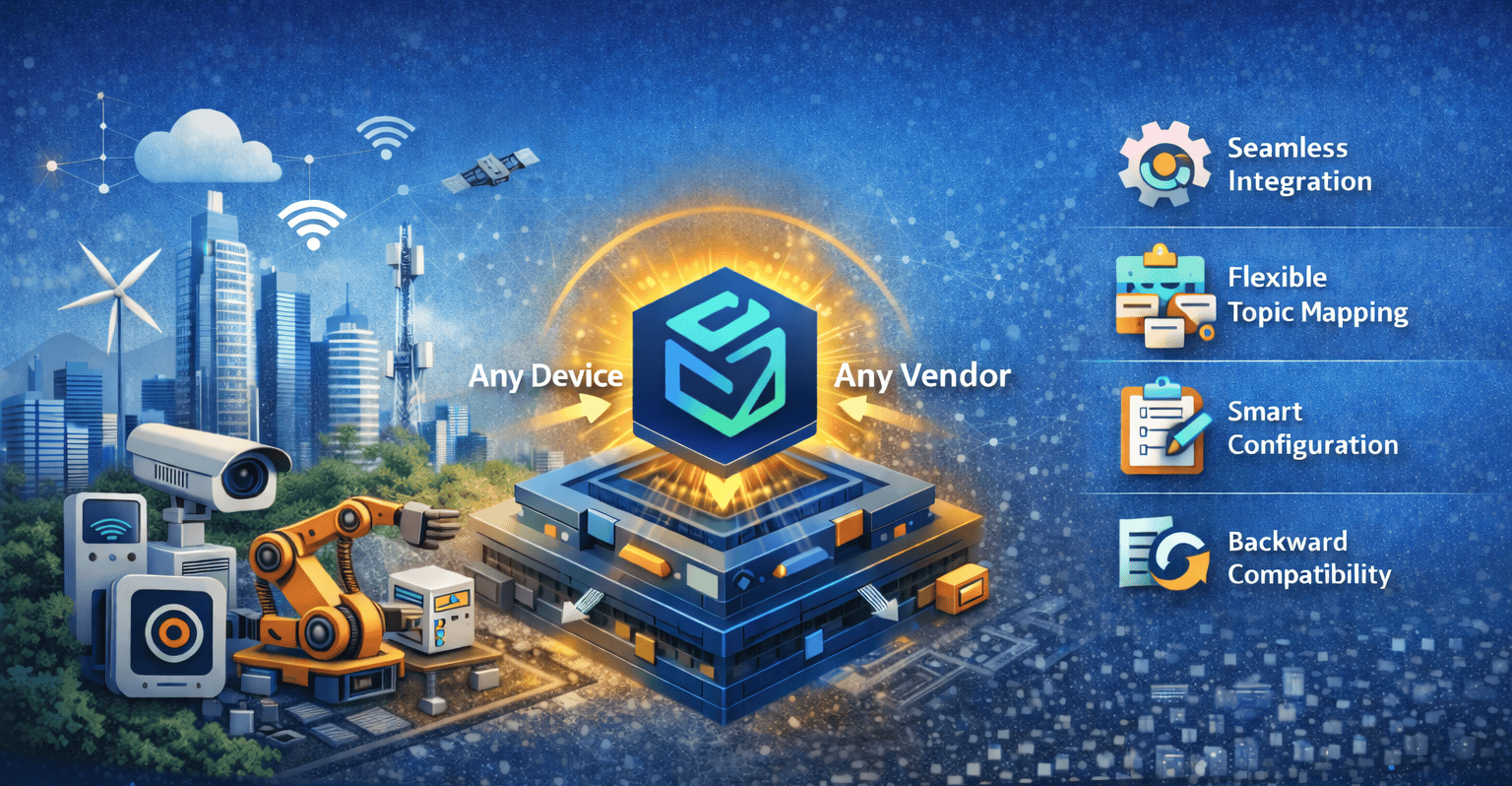
How EazyIoT Is Truly Hardware-Agnostic : Simplifying IoT Device Onboarding
Introduction — Why Hardware Diversity Breaks Most IoT Platforms